Do homeowners associations need insurance? In most residential communities, the answer is yes. Homeowners associations typically carry insurance to protect shared property, community amenities, and the association itself from financial risk. This coverage helps pay for damage to common areas such as pools, clubhouses, sidewalks, and entrances while also protecting the association if someone is injured within those shared spaces. Without proper coverage, a single accident or lawsuit could create serious financial problems for the entire neighborhood.
Understanding do homeowners associations need insurance is important for buyers who are considering property within an HOA-managed community. These associations collect fees from residents and manage neighborhood assets, which means they must protect those assets just like any organization responsible for property. Insurance helps ensure that unexpected damage, liability claims, or legal disputes do not place a heavy financial burden on homeowners.

Why Homeowners Associations Carry Insurance
When people research do homeowners associations need insurance, they are usually trying to understand how responsibility is shared within a neighborhood. HOAs manage common spaces and amenities used by all residents. These shared spaces create potential liability risks, which is why insurance coverage is essential for most associations. Community pools, playgrounds, walking paths, clubhouses, and landscaped entrances are examples of assets maintained by an HOA. If someone is injured in one of these areas or if property damage occurs due to storms, vandalism, or accidents, the association’s insurance policy can help cover repair costs or legal expenses.
Because homeowners associations operate as governing organizations within residential developments, they must protect the financial interests of the entire community.
Common Types of HOA Insurance Coverage
Several types of insurance policies are commonly maintained by homeowners associations. The exact coverage depends on the size of the community, the amenities provided, and the rules established in the association’s governing documents. General liability insurance is one of the most important forms of coverage. This protects the association if someone is injured in a common area such as a park, pool, or sidewalk. Legal claims related to accidents can be expensive, and liability insurance helps prevent those costs from falling directly on homeowners.
Property insurance is another major category. This coverage protects physical assets owned by the association, including shared buildings and structures. In condominium communities, this can include roofs, hallways, elevators, and building exteriors. Directors and officers insurance is also common. This policy protects board members who manage the HOA. Since board members make financial and administrative decisions on behalf of the community, this coverage helps protect them from personal liability if disputes arise.

What HOA Insurance Typically Covers
To better understand do homeowners associations need insurance, it helps to look at what these policies actually cover. HOA insurance usually protects the physical assets owned collectively by the community. These assets may include neighborhood entrances, recreational facilities, security gates, or shared landscaping areas. Storm damage is one of the most common reasons HOA insurance is used. Severe weather can damage fences, lighting, community signage, and other shared infrastructure. Insurance policies help cover repair or replacement costs in these situations.
Liability claims are another major reason for coverage. A slip-and-fall accident at a community pool or park could lead to legal action against the HOA. Liability insurance helps manage these risks by covering legal expenses and settlements if necessary.
What HOA Insurance Does Not Cover
While HOA insurance protects shared spaces, it usually does not cover individual homeowners’ personal property or the interior of their homes. Homeowners must maintain their own homeowners insurance policies to protect their houses, personal belongings, and personal liability. This distinction is important because some buyers mistakenly assume the HOA’s insurance covers everything within the community. In reality, the association’s policy typically applies only to common property owned by the neighborhood.
Homeowners should review both their personal insurance policies and the HOA’s master insurance policy to understand where responsibilities begin and end.
HOA Insurance and Real Estate Buyers
Buyers evaluating properties within HOA communities should always review the association’s insurance coverage before completing a purchase. Understanding do homeowners associations need insurance helps buyers assess how well a community manages risk and protects shared property. A well-managed HOA usually maintains adequate insurance coverage and reserve funds for future repairs. These financial safeguards often reflect responsible leadership and long-term planning within the neighborhood.
Buyers exploring North Georgia communities often encounter HOA-managed neighborhoods in mountain and lake areas. Properties near scenic destinations such as Ellijay, Georgia frequently include planned communities where homeowners associations oversee shared amenities and neighborhood standards.
Lake Communities and HOA Coverage
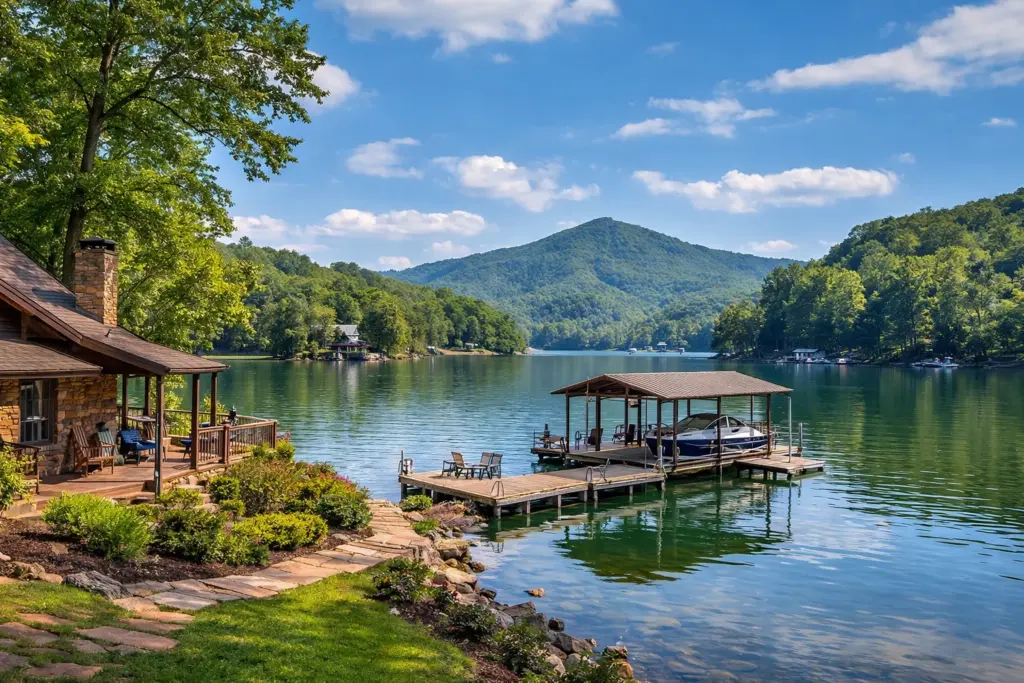
Many lakefront neighborhoods rely on homeowners associations to maintain shared waterfront amenities. These amenities may include boat docks, lake access points, walking trails, and community gathering spaces. Buyers researching waterfront homes sometimes encounter HOA-managed developments when browsing listings such as Lake Chatuge Homes. In these communities, the HOA may maintain shared shoreline areas or recreational facilities that require insurance protection. Because waterfront properties often involve docks, boat ramps, and recreational infrastructure, insurance coverage becomes especially important in lake communities.

How HOA Fees Support Insurance
Homeowners associations collect regular dues from residents to support neighborhood services. A portion of these fees typically goes toward insurance coverage. HOA boards allocate funds within the community budget to maintain necessary policies. Insurance costs are usually included in the annual operating expenses of the association. Larger communities with extensive amenities often require higher insurance coverage, which can influence HOA dues. Buyers reviewing HOA communities should examine the association’s financial documents to understand how fees are used and whether adequate insurance coverage is maintained.
National Guidelines for HOA Insurance
Although specific requirements vary by state and community, many industry organizations provide guidance on insurance best practices for homeowners associations. These guidelines help HOAs maintain appropriate coverage levels and protect community assets. One widely recognized resource is the Community Associations Institute, which provides education and research related to HOA management. Their website offers additional information about association governance and insurance considerations: Community Associations Institute.

Conclusion
So do homeowners associations need insurance? In most cases they do. Insurance protects shared community assets, provides liability coverage, and helps ensure that unexpected accidents or damage do not place financial strain on residents. From neighborhood parks to waterfront amenities, insurance plays an important role in maintaining the long-term stability of HOA-managed communities.
For buyers exploring real estate in North Georgia, understanding how HOA communities operate is an important step in the homebuying process. North Georgia Lake Living specializes in mountain and lake real estate throughout the region and helps buyers navigate community rules, property values, and neighborhood structures when searching for the right home.
