
If you are wondering how big is Lake Blue Ridge, you are likely planning a visit, comparing North Georgia lakes, or evaluating waterfront property in the Blue Ridge area. Lake size influences boating conditions, shoreline availability, fishing quality, and long-term real estate value. While it is not the largest lake in Georgia, its dimensions, depth, and mountain setting give it a presence that often feels larger than expected.
To fully answer how big is Lake Blue Ridge, it is important to examine surface acreage, shoreline length, water depth, and seasonal fluctuations. Each of these measurements contributes to how the lake functions recreationally and economically.
How Big Is Lake Blue Ridge by Surface Area?
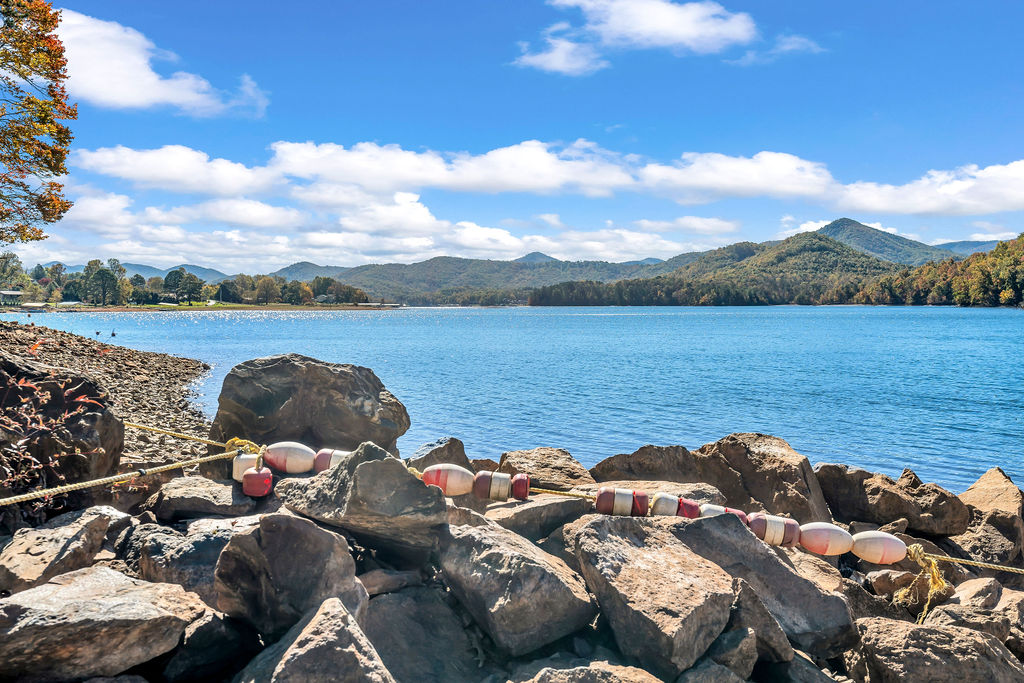
The most direct answer to how big is Lake Blue Ridge is its surface measurement. At full pool, the lake spans approximately 3,300 acres. Compared to Lake Lanier’s nearly 38,000 acres or Lake Allatoona’s roughly 12,000 acres, Lake Blue Ridge is considered mid-sized. However, acreage alone does not determine how expansive a lake feels. Its 3,300-acre footprint provides more than enough open water for boating, fishing, and watersports without the congestion often experienced on larger metro-adjacent lakes.
Because the lake sits in Fannin County rather than near Atlanta’s dense suburbs, boat traffic remains manageable. This lower volume of recreational pressure allows the lake to feel open and relaxed, especially during peak summer months.
Shoreline Length and Configuration
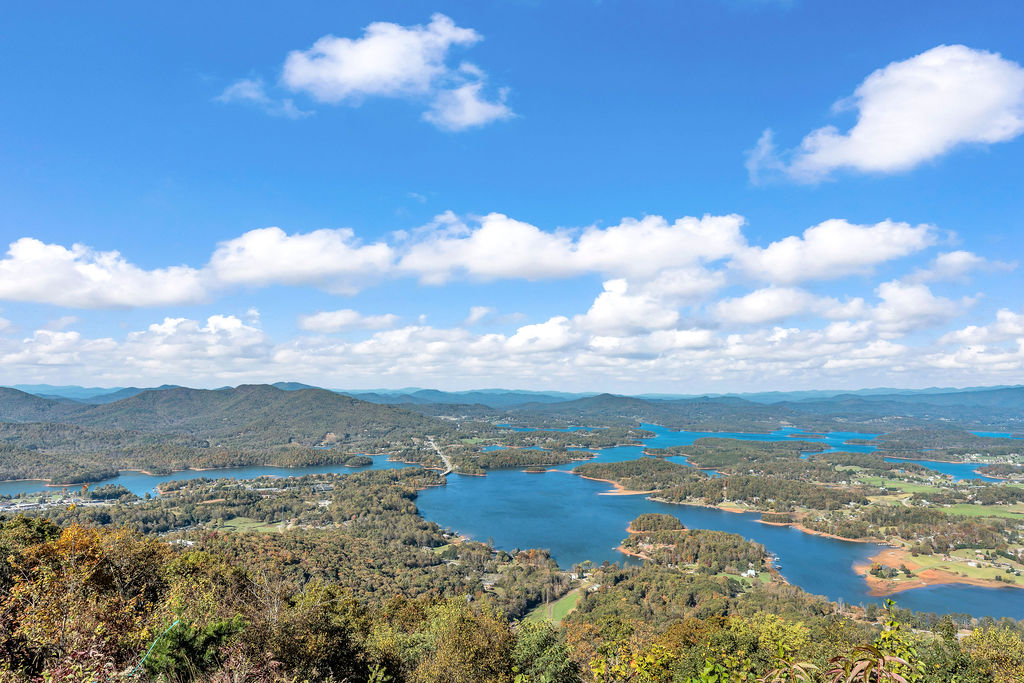
Another important factor in understanding how big is Lake Blue Ridge involves its shoreline. The lake features approximately 65 miles of shoreline, much of which borders Chattahoochee National Forest land. The irregular shoreline includes coves, peninsulas, and narrow inlets that extend into the surrounding mountains. This design increases usable waterfront space and creates the impression of greater size. The winding perimeter allows boaters to explore multiple sections without seeing the entire lake at once, enhancing the sense of scale.
For lakefront homeowners, shoreline length also influences property supply. With limited waterfront inventory available, demand often remains steady. Buyers frequently evaluate both frontage width and water depth near docks when considering long-term value.
Depth and Water Volume
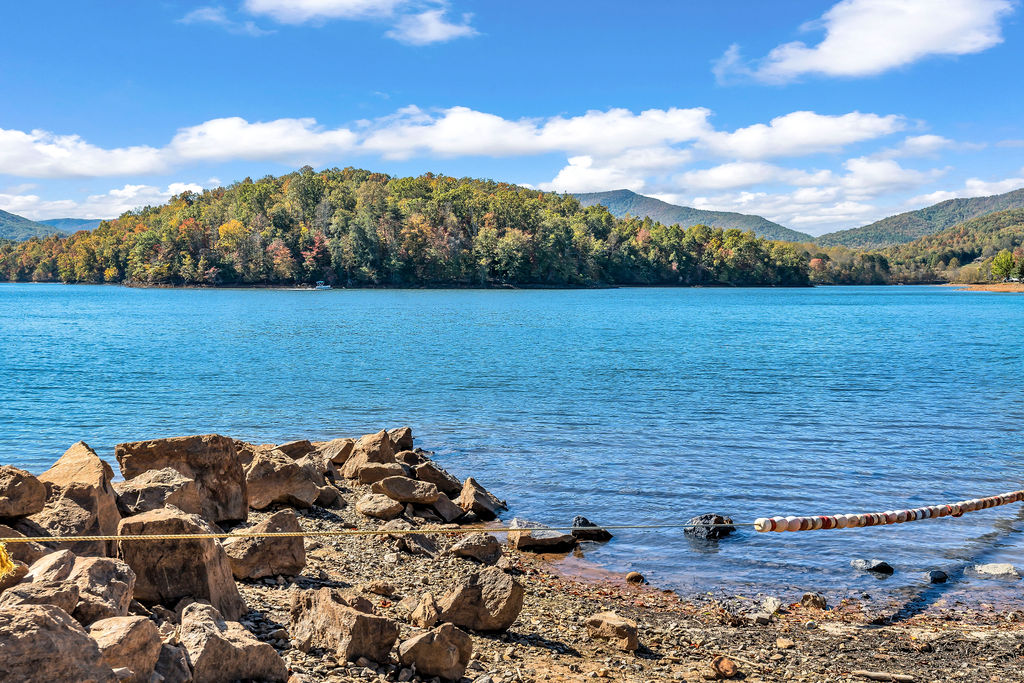
Surface area answers part of the question, but depth provides additional context. Lake Blue Ridge reaches a maximum depth of approximately 250 feet near the dam, with an average depth closer to 100 feet across much of the basin. This substantial depth increases total water volume and supports cooler temperatures throughout the year. When assessing how big is Lake Blue Ridge, depth matters because deeper lakes often feel more expansive and provide better year-round boating access.
The deeper central channel allows for consistent navigation, even during seasonal water adjustments. In addition, depth contributes to the lake’s clear appearance and supports trout populations that prefer cooler water.
Seasonal Water Level Changes
The Tennessee Valley Authority manages Lake Blue Ridge for hydroelectric generation and flood control. During winter months, the lake level is lowered in a controlled drawdown. This temporarily reduces visible shoreline water coverage and may affect dock access in shallower coves. In spring and summer, water levels return to full pool, restoring the full 3,300-acre footprint.
For those researching how big is Lake Blue Ridge from a property perspective, reviewing seasonal water patterns is important. Homes located along deeper sections typically maintain better access during winter drawdown. Current and historical water level information is available through the Tennessee Valley Authority.
Comparison to Other North Georgia Lakes
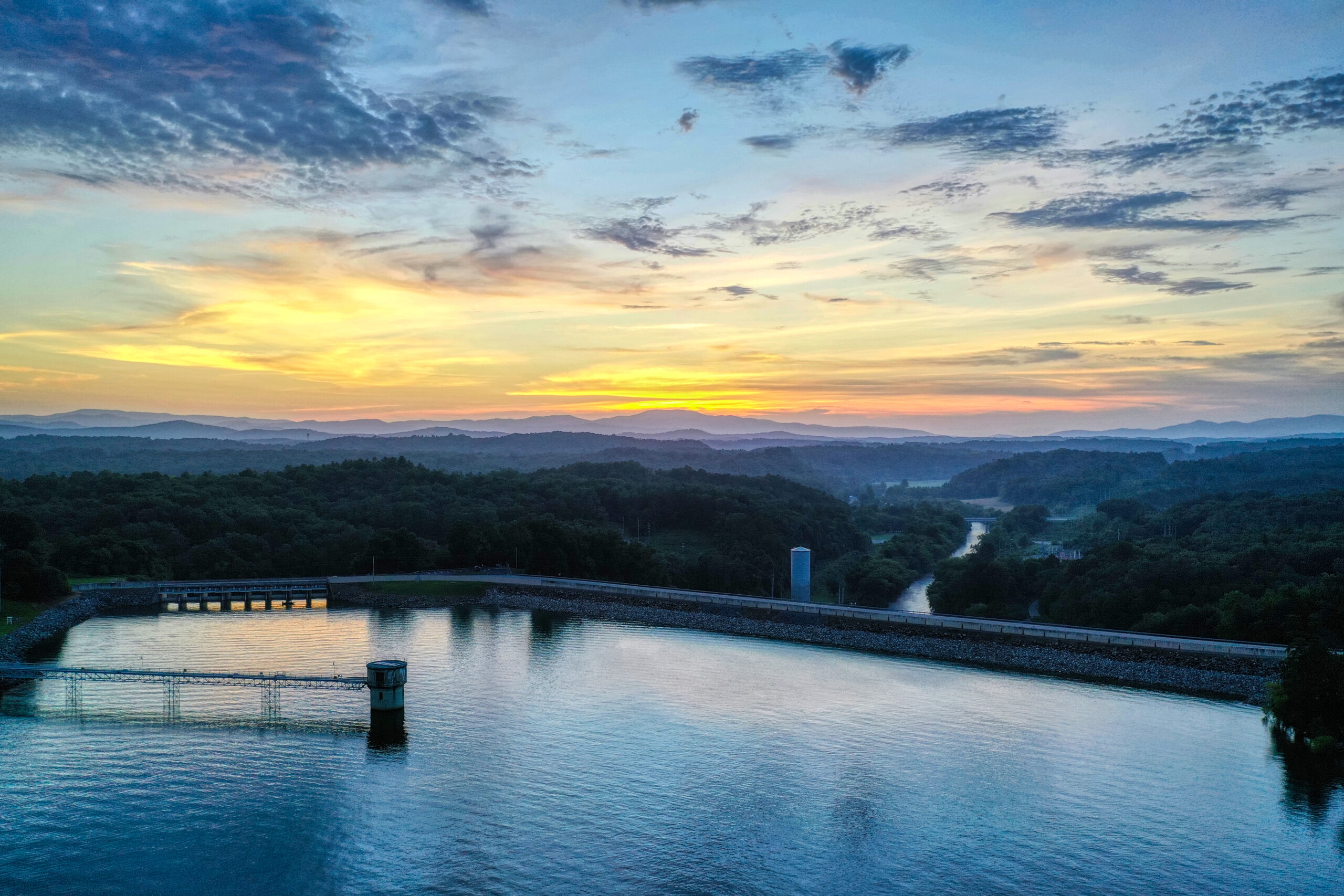
Putting the lake’s dimensions into context helps clarify how big is Lake Blue Ridge compared to nearby options. Lake Lanier dominates the state in acreage but also carries heavier boat traffic and denser shoreline development. Lake Allatoona is larger but similarly closer to metropolitan growth. In contrast, Lake Blue Ridge’s moderate acreage combined with mountain terrain creates a quieter experience. Many buyers prefer this balance because it allows for recreation without the intensity of larger commercial lakes.
Smaller private lakes in the region may offer more seclusion but often lack the depth and infrastructure that support diverse recreational use. Lake Blue Ridge strikes a middle ground between scale and tranquility.
Recreational Capacity
The lake comfortably supports boating, kayaking, paddleboarding, swimming, and fishing. Its 3,300 acres provide sufficient space for cruising without constant wake interference. Because of the winding shoreline, boaters can find protected coves even during busier weekends. This layout enhances usability and helps distribute activity evenly across the water.
Fishing benefits from both acreage and depth. Cooler deep-water sections support trout, while shallower coves provide habitat for bass and other species. The combination of dimensions and environmental management contributes to consistent water clarity and ecological balance.
Impact on Waterfront Real Estate
Lake size directly influences waterfront pricing trends. A mid-sized lake with limited shoreline inventory often experiences steady demand rather than speculative spikes. Buyers evaluating lakefront homes typically consider depth near docks, orientation toward open water, and distance from marina activity. If you are analyzing waterfront trends more broadly, you may also want to review our guide on How Much Are Lake Houses to understand how lake size and characteristics affect long-term property value. Use your WordPress internal link tool to maintain proper structure.
Because Lake Blue Ridge is not extremely large, properties often feel connected to a cohesive community rather than isolated across vast open water. This sense of scale appeals to both seasonal visitors and full-time residents.
Final Answer: How Big Is Lake Blue Ridge?
So how big is Lake Blue Ridge? At full pool, it spans approximately 3,300 acres with about 65 miles of shoreline and reaches depths of up to 250 feet. While smaller than Georgia’s largest reservoirs, its mountain setting, winding shoreline, and moderate traffic levels create a sense of space that exceeds its raw acreage measurement. For recreation, fishing, and waterfront living in North Georgia, it offers a balanced and highly desirable scale.
