
If you are wondering which lake is the largest of the Great Lakes, the answer is Lake Superior. By surface area, Lake Superior is not only the largest of the Great Lakes, but also the largest freshwater lake in the world by surface area. Spanning approximately 31,700 square miles, it dominates the Great Lakes system in both size and water volume. Understanding why Lake Superior holds this title requires looking at geography, measurements, and how it compares to the other four Great Lakes.
The Great Lakes Superior, Michigan, Huron, Erie, and Ontario, form the largest freshwater lake system on Earth by total area. These five interconnected lakes stretch across the United States and Canada, shaping trade, weather patterns, tourism, and real estate markets across the region. Among them, one clearly stands above the rest in terms of size.
Which Lake Is the Largest of the Great Lakes by Surface Area?
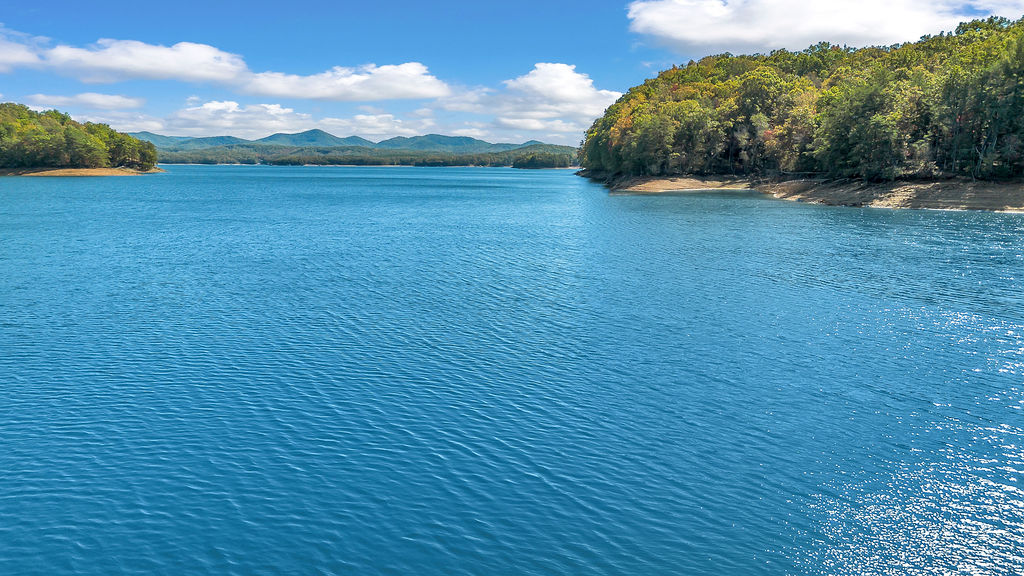
The answer to which lake is the largest of the Great Lakes is Lake Superior. Covering roughly 31,700 square miles, it accounts for nearly half of the total surface area of all five Great Lakes combined. It borders Minnesota, Wisconsin, Michigan, and Ontario, Canada. Its vast expanse makes it larger than several U.S. states. When measured strictly by surface area, no other Great Lake comes close to its size.
How Lake Superior Compares to the Other Great Lakes
To fully understand which lake is the largest of the Great Lakes, it helps to compare specific measurements. Lake Huron ranks second in surface area at approximately 23,000 square miles. Lake Michigan follows closely behind at around 22,400 square miles. Lake Erie and Lake Ontario are considerably smaller. Although Lake Michigan is the largest lake located entirely within the United States, it does not surpass Lake Superior in overall size. The difference in scale between Lake Superior and the remaining lakes is significant enough that its leadership position is rarely debated.
Water Volume and Depth Comparison
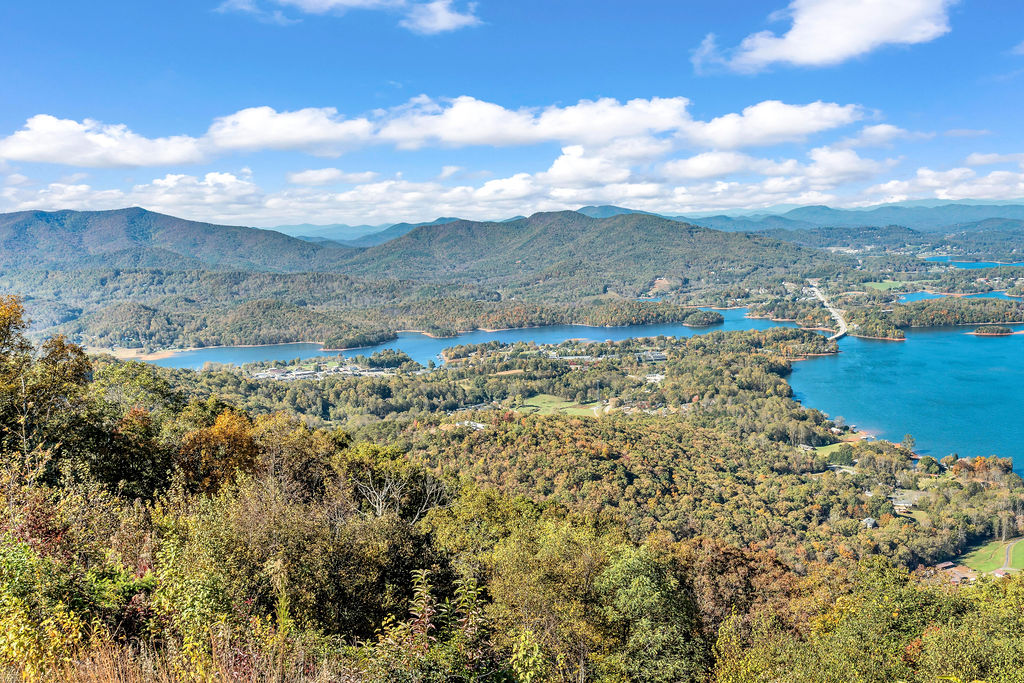
Surface area is only part of the story. When considering water volume, Lake Superior again provides the strongest answer to which lake is the largest of the Great Lakes. It contains approximately 2,900 cubic miles of water, more than the combined volume of the other four Great Lakes. Its maximum depth reaches about 1,332 feet, making it the deepest of the Great Lakes as well. This immense depth contributes to its water storage capacity and reinforces its dominance in both size and volume.
Geological Formation of Lake Superior
Lake Superior’s size is the result of powerful geological forces that shaped North America thousands of years ago. The Great Lakes were formed primarily by glacial activity during the last Ice Age. Massive glaciers carved deep basins into the land, which later filled with meltwater as the ice retreated. Lake Superior’s basin was carved especially deep, contributing to both its surface area and depth. Its rugged shoreline and rocky cliffs reflect this glacial history.
Economic Importance of the Largest Great Lake
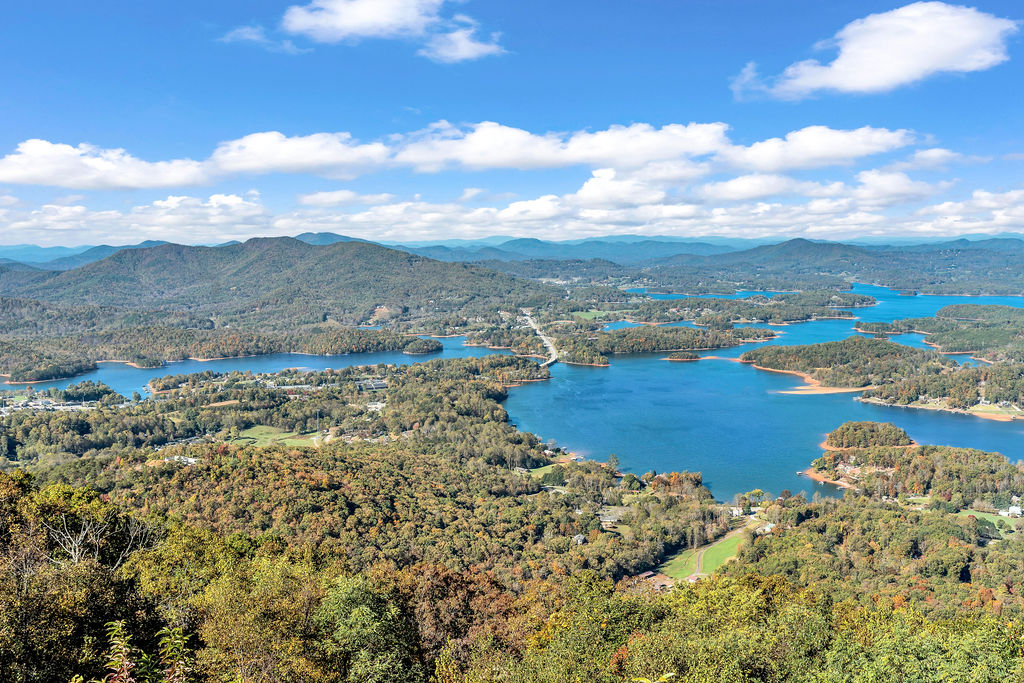
Understanding which lake is the largest of the Great Lakes also involves recognizing its economic impact. Lake Superior plays a major role in commercial shipping. Ports along its shoreline handle iron ore, grain, and other commodities that move through the Great Lakes–St. Lawrence Seaway system. Its shipping lanes connect inland North America to global trade routes. According to the U.S. Environmental Protection Agency, the Great Lakes collectively supply drinking water to tens of millions of people and support billions of dollars in economic activity each year.
Climate and Weather Influence
Lake Superior’s massive surface area also influences regional weather patterns. Large bodies of water moderate temperatures, which affects snowfall and seasonal climate conditions around the lake. The phenomenon known as “lake-effect snow” often impacts surrounding states during winter. The lake’s size allows it to store heat during warmer months and release it gradually, shaping local ecosystems and agricultural patterns.
Recreation and Tourism
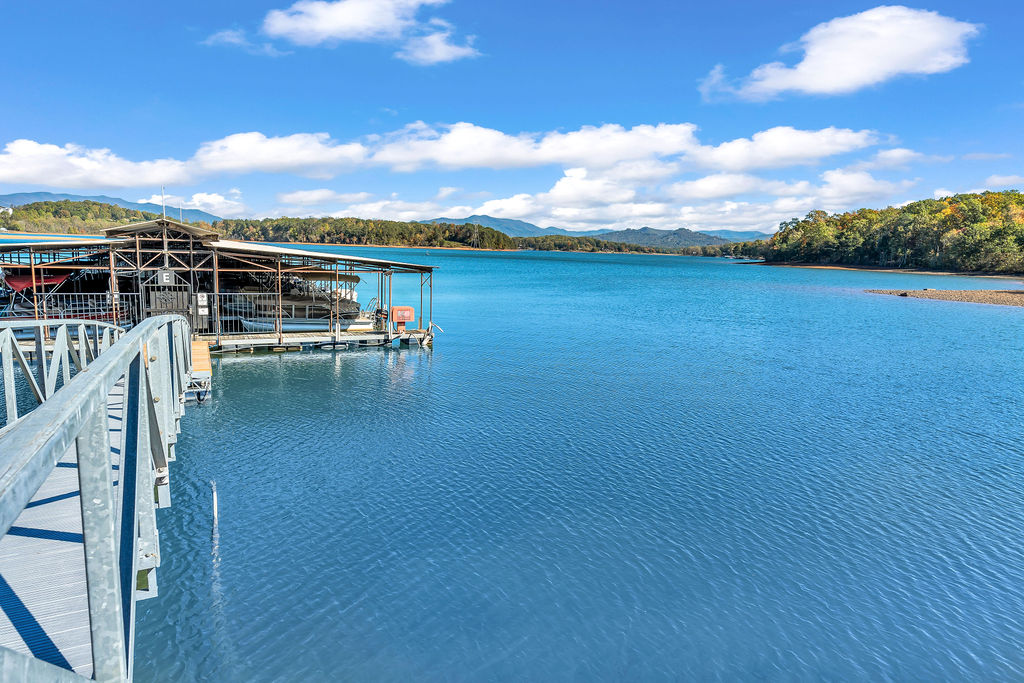
Beyond its size, Lake Superior attracts millions of visitors annually. Its scenic shorelines include national parks, lighthouses, beaches, and hiking trails. Boating, fishing, kayaking, and sightseeing are common recreational activities. Because it is so large, portions of the lake often resemble an inland sea rather than a typical freshwater lake. In many areas, the opposite shoreline is not visible, reinforcing its enormous scale.
Largest by Surface Area Versus Largest by Border Location
Some confusion arises when discussing which lake is the largest of the Great Lakes because Lake Michigan is the largest lake entirely within the United States. However, when measuring total surface area across both U.S. and Canadian borders, Lake Superior clearly holds the top position. The distinction matters in geographic discussions but does not change the fact that Lake Superior remains the largest overall.
Great Lakes System as a Whole
While Lake Superior is the largest of the Great Lakes individually, the system as a whole is what makes this region globally significant. Together, the five lakes contain roughly 20 percent of the world’s surface freshwater supply. Their interconnected waterways support transportation, industry, tourism, and ecosystems across multiple states and provinces. Each lake contributes uniquely, but Lake Superior anchors the system in terms of sheer size.
Real Estate Along the Largest Great Lake
The size and natural beauty of Lake Superior also influence waterfront real estate markets in surrounding states. Large freshwater shorelines attract both primary homeowners and vacation property buyers. If you are exploring waterfront markets more broadly, you may also find it helpful to review our related guide on How Much Are Lake Houses to understand how lake size and demand affect pricing. Use your WordPress internal link tool to maintain proper internal linking structure.
Final Answer: Which Lake Is the Largest of the Great Lakes?
So which lake is the largest of the Great Lakes? The answer is Lake Superior. With approximately 31,700 square miles of surface area and more water volume than the other four Great Lakes combined, it stands as the largest freshwater lake by surface area in the world. While Lake Michigan may hold the title for largest entirely within U.S. borders, Lake Superior remains the undisputed leader in overall size and capacity within the Great Lakes system.
If your search for where is North Lakes is part of a broader relocation or waterfront property decision, our team at North Georgia Lake Living is here to help. Whether you are exploring lake communities, mountain towns, or investment opportunities, we specialize in guiding buyers and sellers through strategic real estate decisions. Explore available North Georgia lakefront homes and connect with North Georgia Lake Living to make your next move with clarity and confidence.
